Monday, July 9, 2007

Luxury Homes Real Estate Training

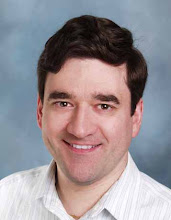
Marco Kozlowski has the luxury homes market down pat.

He has all the tools and partners you need to buy and sell luxury homes.

His next seminar is on August 27 28 29 30 in Las Vegas, NV.

This bootcamp is pretty good for beginners. He lines it all out for you. One of the key features about this is that he doesn't just teach you how to find and how to sell luxury homes. He teaches you how to set up a business for buying and selling luxury homes. He even goes into employee hiring and management so you can spend more time doing what makes you money. If you are just starting out, this will show you how to set yourself up right. If you are already a real estate invester, this section will help you get out of your own way.

You might be able to pull a deal together in the first month but it usually takes longer to get all your tools set up and in place. It can also take a while to actually pull a deal together but that doesn't mean that you won't make some money on the way. One of the things that Marco focuses on is how to make little bits of money on each step. This way, even if a deal falls through, you make enough money to keep the lights on.

The good thing is that he sends you enough information to get started and get some potential deals before the bootcamp. If you have at least three weeks before the bootcamp and you have $100-$100 to spend on marketing, you can come to the bootcamp with 4-10 potential deals. At the bootcamp, he has people bring up their deal and he would call the seller and help them close the deal. This seminar isn't a bunch of "this is what worked for me 10 years ago." He gets up there with you and your potiential deal and works it right there.

Also, the course is always changing. There are things in his seminars now that weren't there when I took it and things that he's removed because they don't work any more (or don't work as well as something new).

You can contact them to get the specific details HERE.

Marco also has a weekly conference call in which he or his assistant answer questions and help you do some prep for the bootcamp.

After the bootcamp, you have access to a different set of calls in which he keeps people informed about the new stuff that he's adding to the bootcamp and answers specific questions.

New Seminar On Calendar

Todd Dotson has two Tactical Real Estate Bootcamps coming up.

One is on September 26-30 in Arlington, TX and the other is in November (dates TBD) in Anaheim, CA.

This bootcamp is very good for beginners and for those who have been in the field for a while but don't think they are doing as well as they should.

You can contact them to get the specific details HERE.

Todd also has a weekly conference call in which he or his assistant answer questions.

Friday, July 6, 2007

New events on the Calendar

I posted a bunch of dates and locations for Financial Power Summit.

This is a multi speaker/multi topic seminar. About a1/4 of the topics relate to real estate. Another 1/4 to 1/2 relate to business in general (and if you aren't running your real estate investing as a business, you should). The other topics may not have any interested to someone focused on real estate.

They seem to be staying on the two coasts (east coast then west coast).

I will be updating this with contact and registration information but for now, email me at reseminarlist@gmail.com. Please reference this list in the subject line to seperate your message from the spam.

Thursday, July 5, 2007

How to Get the Most Out of a Real Estate Seminar

Q: What are the two things that you get from a real estate seminar (or any seminar)?

A: Information and contacts.

How do you maximize the information you receive from the seminar?

Listen and take notes.

By listening, I don't just mean hearing what the speaker says. I mean pay attention, think about what the speaker says. Resist the temptation to say "I know that already" or "that's not right." Both of those mental statements shut your brain down. Even if you've heard something several times, think about it. Something new might occur to you or you might be in a different mental place than you were the last time you heard it. Also, you can't tell the validity of a statement until you hear it, think about it and evaluate it. You can't do that if you reject it before you hear it.

Take plenty of notes. I always bring two notebooks (computer and paper). If I can find a spot near a wall with power, I set up the computer. Otherwise, I make due with the paper notebook (I type faster and with less thought than I write). If they have handouts, glance through them before the presenter speaks and look to see if they are copies of the PowerPoint or white board, etc. If they are, follow along with the handout and reference it in your notes. That way you don't waste time writing what's already written.

Don't try to write every word that comes out of the speaker's mouth. Think about what the speaker is saying and write what it means to you. This does two things for you. It makes you think about and process what the speaker is saying and it makes it easier for you to remember what you learned when you read your notes. If you reread your notes. Most people never reread their notes. That's OK. The process of writing the notes plants the information more firmly in your mind that just listening.

There is a danger to putting your own words on the information you get: you might get it wrong. That's why it is always good to swap notes with someone else that went to the seminar and read them. For one thing, if they have something that you missed, you can add it to your notes. If they have a different take on what the presenter said, you can discuss it and figure out just what the real information is.

How do you get as many contacts as possible at a seminar?

Bring lots of business cards and meet as many people as possible.

You should always have a pocket full of your cards at the beginning of the day of a seminar and you should have a pocket full of other people's cards at the end of the day. However, it isn't quantity that you need it is quality. If you end up with a pile of cards and you look through them and can't figure out who they are or why you have their card, it does you no good. After you are done talking to the person or group that you swapped cards with, write the date, time and a little bit about what they do that can help you in your business on the back of their card. That way the card will still mean something a week after the seminar.

How do you greet people you meet at a seminar?

Practice your "elevator speech." Your elevator speech is a 15 second speech where you say who you are and what you do. Here's an example: "Hi, I'm Jeff Miller. I buy and sell high end properties and I run a list for real estate seminars." That's it. It's simple and concise. They are interested in meeting someone who buys and sells high end real estate or who runs a list of real estate seminars or they aren't. If they are interested, I try to find out who they are and what they do (and why they are interested in what I do). Am I afraid of rejection? Why should I be? They aren't saying that they have no interest in Jeff Miller, they are saying that they have no interest in high end properties or real estate seminar lists. In my mind, I thank them for letting me cut loose and talk to someone else who might be interested.

After you have given your elevator speech (and, hopefully, heard theirs), ask questions and listen. Find out why they are interested in and what they need. Don't worry about getting your information in. If they are experienced, they will be asking questions and listening too. If they aren't experienced, you can always let them know how you can help them with a particular challenge that they mention.

Where can you meet people at a seminar?

Unless you roll in late, you are probably standing in a crowd waiting for the doors to open. It's a crowd. Of people.

When you get in the room of the seminar, before the seminar, you are in a room, a crowded room. It's a crowd. Of people.

When you sit down, look left, right, ahead of you and behind you. You should see people. If you don't, move.

When you are working your way to your spot in the middle of the row, you are walking past people.

I might seem a little flip with the above examples but they are true. Also, you might be wondering (in a snarky tone): "So there's a crowd. Of people. How do I meet them?"

Well, wise guy, pick one person at random (or whoever is closest) and say: "Hi, I'm Jeff Miller. I buy and sell high end properties and I run a list for real estate seminars." Don't put a lot of thought into who to meet because you won't know who they are until after you've met them.

It really is that simple. You'll believe it once you've done it a few times.

Also, there is usually a lunch break or it ends right before dinner. Either pick someone who you want to learn more about or pick someone who you haven't met yet. How do you meet them? You say: "Hi, I'm Jeff Miller. I buy and sell high end properties and I run a list for real estate seminars." Then say where you're headed for lunch or dinner and ask if they would like to join you.

Remember they are all there looking to learn more about real estate (or whatever the seminar is about). You already share one interested with them or one of you is in the wrong place.

Tuesday, July 3, 2007

What is a Real Estate Seminar?

This is the first of a series of posts for the first time seminar attendee.

I will talk about what to expect at the different types of seminar and how to get the most out of the seminars.

The first topic is:

What Types of Real Estate Seminars are There?

There are several attributes to most seminars, I'll go through some of them.

The first attribute that most people see is cost. Cost can tell you something about the seminar but it can also be deceptive. I'll break them down into what usually goes into each cost caragory and then give some of the exceptions.

For single topic seminars:
  • Free: Expect tthat they have something to sell. No one does these seminars to lose money (if nothing else, they have to pay for the hotel space). If you go to a free seminar, you will hear a sales pitch. This isn't a bad thing as long as you know that's what you're going to get. Unless you have enough time to spend 2-8 hours listening to a sales pitch (or multiple sales pitches by different presenters, in the case of the longer ones), only go if you think that you might be interested enough in the topic to spend $500-$5000. You will generally hear a lot of "what" and "why" answers but no "how" answers (i.e. they will say what you need to learn and why you need to learn it but they won't teach it for free).
  • $100-$200: Just like a free seminar but they got you to pay for it.
  • $400-$700: Expect either a product that has a monthly membership fee (like web hosting or a data service) or some minor information with an upsell to a $1000-$3000 seminar. At this level, they should be telling you enough to get started in the field but you will be reinventing the wheel a lot. You will have to do a great deal of research or trial and error on your own.
  • $1000-$5000: Expect to get enough information that you can actually do business. You might not get the best stuff they have to offer but you should get enough info and tools (like books and CDs with forms or other info) to function well. They will offer more services, usually software packages that will do the stuff they tought and they will usually offer mentorships. If that is the field that you are going in and you want to start right away, a good mentor is the way to go.
  • $10,000 - $20,000: this is usually packaged with a mentorship program. They usually go all out on these since they will use the success of these programs to promote themselves. Expect to be able to perform well if you can follow the directions they give you.
For multi topic seminars, expect to get the information from the next lower price point.

Note that just because the seminar is expensive it's no guarantee that they will give the right amount of information. However, most of the worst ones got taken down a few years ago.

Next topic: How to get the most out of a seminar.

Monday, July 2, 2007

Enlightened Wealth Retreat - July 25th - July 29th

The Enlightened Wealth Retreat is in Washington DC. They will be announcing the Anaheim one soon (it'll be about 6 months from now).

This is Robert Allen's group: Enlightened Wealth Institute (EWI). I did my first real estate deals using information and resources from one of their seminars. This is a free seminar for current EWI students. If you aren't a current student, you need to contact a current student and get them to bring you as a guest. If you send me a note, I'll try to put you in contact with an EWI member who is going.

This event has a number of programs by different presenters. EWI started out as an almost exclusively real estate based event but lately they have been branching out into other fields. If you are interested in a topic, they probably cover it in the 5 days.

This event has a bit "Ra-Ra" (cheerleading stuff) but we all need a bit of that now and again.

Also, since this is a free event, almost all the presenters will be selling a program or product. The various products have "investments" ranging from $500 to $5000. This and the Learning Annex event are IMO the two best events to attend if you want to invest in real estate but don't know what segment of the real estate market to invest in. Do not buy every product you like, pick one to focus on and give it a good try. Do not try to learn multi tenant and rehabs and commercial properties at the same time. You just can't give any one of them the proper focus. You will be more successful if you pick one and stick with it at least 6 months.

Also, like the Learning Annex, just because the presenters have a product to sell, don't think that you won't learn anything. I've been to a number of EWI events and I only saw one presenter who just gave a sales pitch without giving useful information and he hasn't been back since. There was another who was borderline but i suspect that he got a "talkn to" since he was much better the next year. In general, you will get enough information that you can get yourself started and on the learning curve just from what they tell you in the presentation. The seminar or product that they promote will help you go faster and will give them time to go into much more detail.

Sunday, July 1, 2007

Why create a Seminar List?

4 years ago, when I decided to become a real estate investor, I had some general knowlege (I'd worked for a hard money lender for 13 years) but no specific training. So I went to a lot of seminars starting in late 2003 through 2004. In order to learn what I need to get started.

I went to seminars on just about every field of real estate investing to find what was right for me. Eventually I did, geting into 4-plexes in 2004 as a wage replacement.

I still go to a few each year because the market keeps changing and what was a good investement in 2004 no longer works.

Where I have specific knowlege about a specific seminar or a specific speaker (if my knowlege is old, I can talk about the speaker's abilities and character but the seminar info will, hopefully, have changed.

My next posts will be about what kinds of seminars there are and what to expect from a seminar in general.